

VINCENT VAN DUYSEN
- Nov 18, 2025
- 7 min read
“I am a dreamer.”
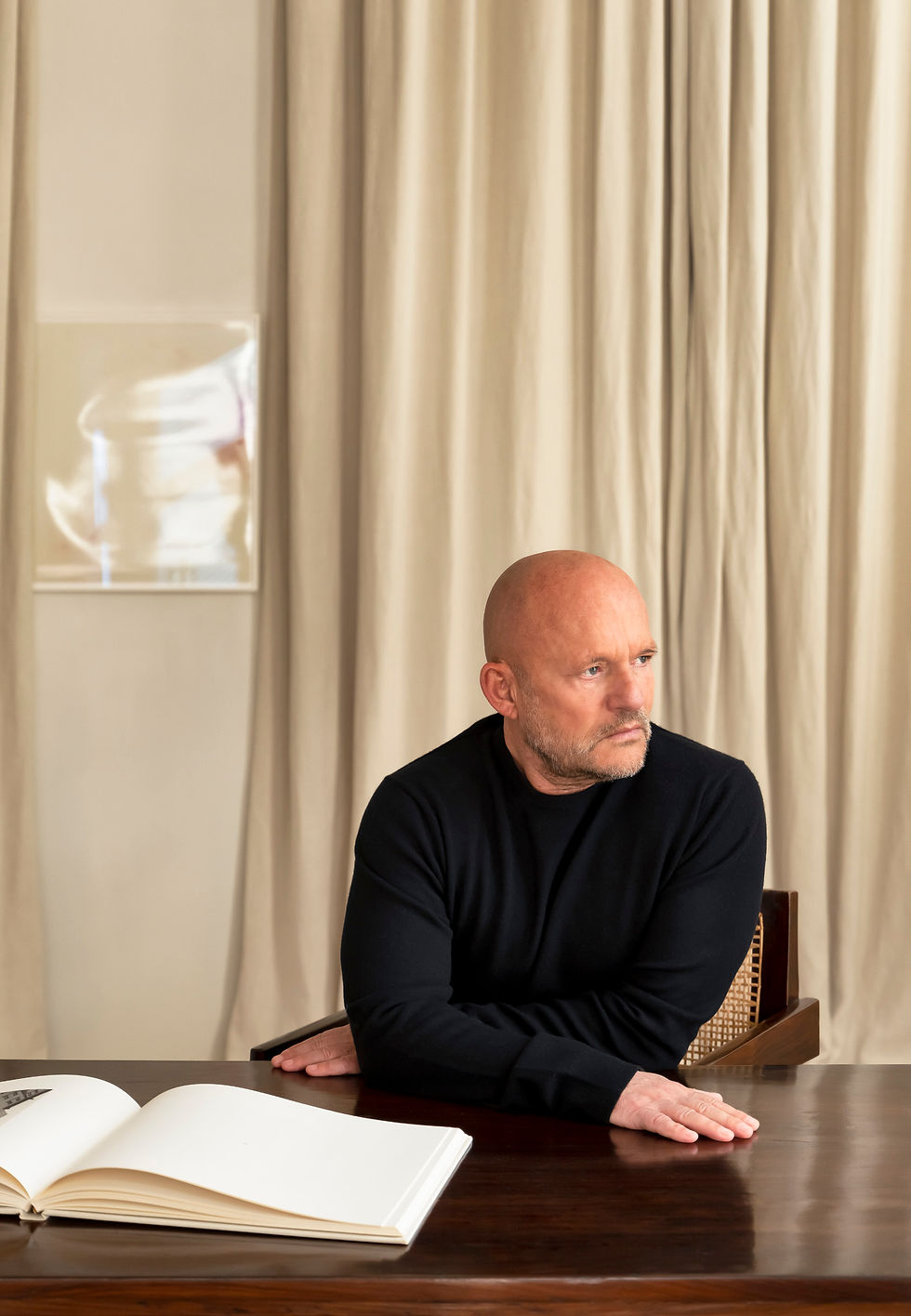
Architecture, interior architecture and product design are, for him, inextricably connected.
Vincent Van Duysen is considered one of the finest, most innovative and influential designers of our time. He was born on 21 April 1962 in Lokeren, Belgium. He attended the Sint-Lucas School of Architecture in Ghent and subsequently worked with Aldo Cibic in Milan, followed by a collaboration with Jean De Meulder in Antwerp.
In 1989, he founded the company Vincent Van Duysen Architects. Today, the firm has grown into a team of more than 30 employees, whose work ranges from product design for numerous international brands to commercial and large-scale architectural projects, with a focus on luxury residences.
In RIZE, Vincent speaks exclusively about his journey, his plans, ambitions and visions.
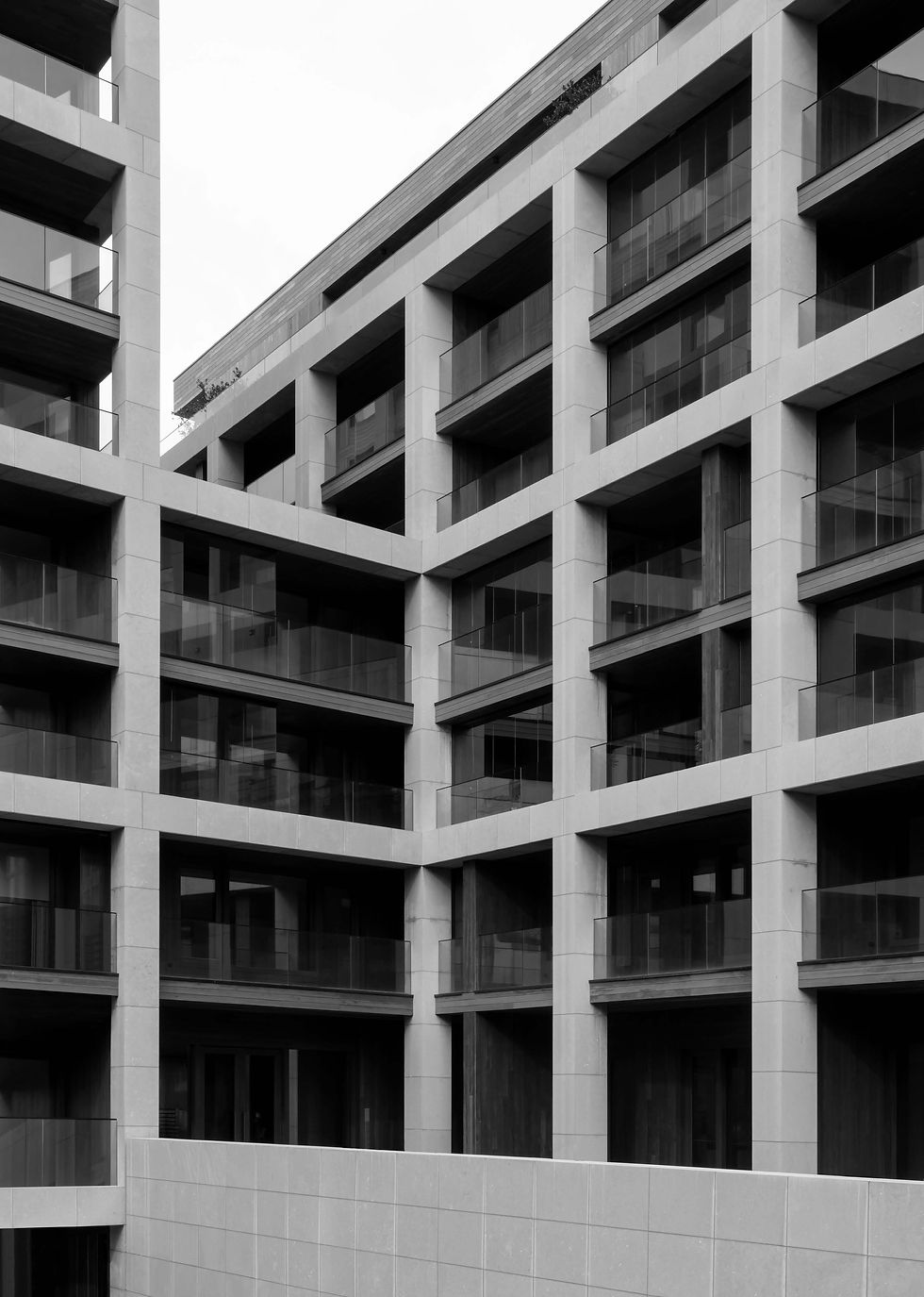
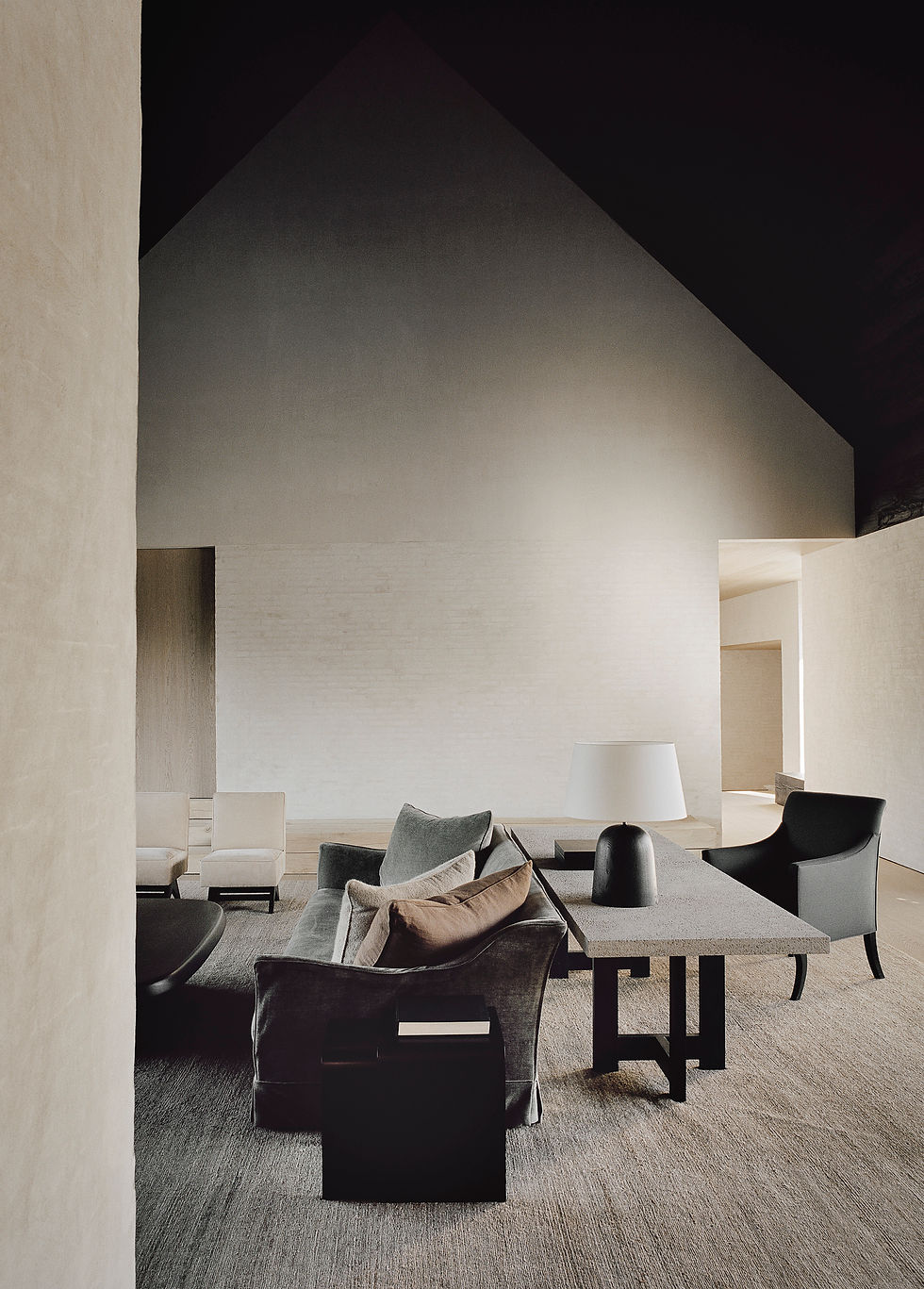
From the very beginning, a clear relationship between architecture, interior architecture and product design has been the driving force behind the conception of his projects. Van Duysen stands for clarity and timelessness. Functionality, durability, sustainability and comfort are essential to him; he seeks to convey aesthetics while avoiding fashion and trends. Over the course of his career, Van Duysen has received numerous awards, including the Flemish Culture Award for Design, Belgian Designer of the Year, the Henry van de Velde Lifetime Achievement Award and an EDIDA for Interior Designer of the Year. In 2021, the VV winery was also nominated for the Mies van der Rohe Award. His name has additionally appeared in Architectural Digest’s AD100 survey. In 2016, Van Duysen was appointed Creative Director of the Italian brands Molteni&C and Dada, redefining their global image through the design of flagship stores and a series of new products. From 2018 until May 2020, he served as Art Director at Sahco for Kvadrat, after which he continued to work as a senior designer. The year 2022 marked the beginning of a collaboration with Zara Home.

RIZE: You are currently working with Zara Home. How did this collaboration come about?
Vincent Van Duysen: It all began with my world and that of Marta Ortega virtually colliding. Strangely enough, I had always felt that our paths would cross because of our similar interests and tastes. She had always shown interest in my work, yet we had never met. Then we finally met in person in Antwerp: the meeting proved and reinforced how important we were to one another. The result is this wonderful collaboration, a new journey for both Marta and myself – one for which she took the time needed to ensure that what we were doing felt right for both me and for the brand.
When did you first realise that you wanted to engage with art? Did you grow up in a family interested in the arts?
My parents raised me, as a child, in many different arts. These were the most important influences in shaping my appreciation and understanding of the creative disciplines. My father worked in the carpet industry but was also a talented painter and deeply interested in art – a very artistic person. He also collected art, and we would often travel throughout Belgium and abroad to visit galleries and exhibitions. He had many creative friends, including painters, sculptors and architects.
Did you ever dream of becoming one of the world’s most sought-after architects and designers?
I would never have expected, upon graduating in architecture in 1985, to achieve what I have achieved. Yet I always had the drive to move forward; I was disciplined and worked hard. With my first house, I discovered the style that would become my signature – a style that is consistent, timeless and sensual, without following trends. Today, I believe I have created a path, a style and a direction that is appreciated worldwide. And over more than 30 years, my career has moved far beyond the expectations of my original profession. I have had the opportunity to explore interiors, products and installations. I began as an architect and became the creative director of an Italian high-end furniture brand. Throughout all of this, I have always felt that I could reach the world and leave a mark. I feel honoured to be recognised as one of Belgium’s most influential creators.

What were your next steps after finishing school?
Graduating in architecture from the Sint-Lucas School in Ghent gave me the tools to develop my style; it also immersed me in the world of the masters and their visions. Around 1985, when I began, I was passionate about architecture and design but still had much to learn. I knew I was not yet ready to open my own studio. I was curious and wanted to delve deeper into the métier. Postmodernism was evolving into a recognisable style that influenced my thinking in many ways. I have always been drawn to architecture that expresses rigour and purity, yet my time working in Italy with Aldo Cibic brought an element of playfulness to my work. After collaborating with Jean De Meulder in Antwerp, I set up my own studio in the city around 1989.
“My mind never stops sketching” – what do you mean by that? Where do you draw your inspiration from?
I am like a sponge, absorbing countless things. Anything has the potential to inspire me: a book, a work of art, a lecture, visual stimuli, galleries, films… Everything is filtered through empathy and imagination. But I am at my most creative when I am surrounded by people. I believe daily life, everyday encounters – these inspire me most. And my travels. And my team. I am not someone who sits down and starts sketching on paper; everything happens first in my head, constantly and without boundaries, until I share the ideas with my team and they become reality. My design process is continuous – I always design in my mind, never on a blank canvas. I enjoy being as attentive as possible and pursuing a strongly visual approach.
Travelling is important to you. Do you have favourite places?Yes, travelling is extremely important to me. When I was younger, it was my hobby; now, it is deeply connected to my work. I used to love major cities such as New York, Milan and Paris, which I still enjoy visiting. But now, as I grow older, I prefer more remote locations – like my retreat in Melides, Portugal. I moved there five years ago. It is where I feel aligned with the elements, surrounded by nature, able to fully immerse myself in it.


Why does your home country Belgium seem to be such fertile ground for innovative designers and architects?
Belgium has a rich history of arts and craftsmanship, from the Middle Ages to the present day; this heritage is well known and constantly evolving, forming a fundamental part of the country’s cultural identity. Belgium is cosmopolitan in both art and culture, with an immense creative spectrum – theatre, performance, dance, fashion, architecture – in which many participate in diverse and unique ways. That is what defines it.
Do you still feel closely connected to your home country today?
Antwerp and Belgium will always be home, but I have developed a strong emotional bond with my retreat in Portugal, Casa M. It is where I disconnect and recharge. The house is my sanctuary, my temple of peace.
You seem to maintain a good work–life balance!
Yes. It is vital to find the right balance between work and private life. I believe in the Latin saying “mens sana in corpore sano” – a healthy mind in a healthy body. I eat healthily, train three times a week, and practise transcendental meditation, which helps me stay centred. I know when to switch off, whether in Antwerp or Portugal. There, I can relax and enjoy my dogs, my family and nature.
How would you describe your design philosophy?
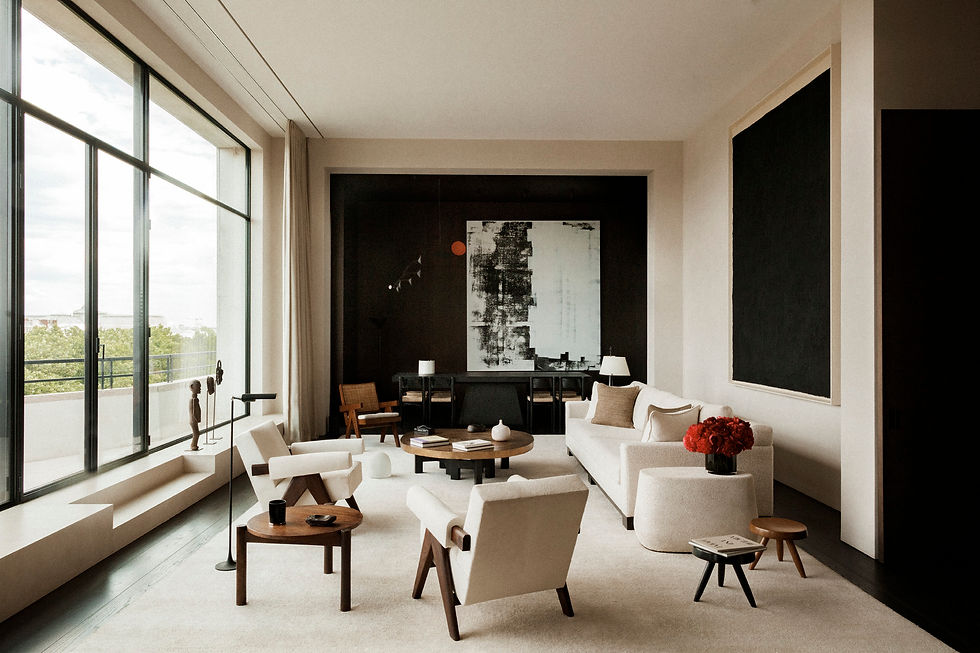
My design philosophy is a holistic endeavour that combines passion with an understanding of people. From the outset, a clear connection between architecture, interior architecture and product design has driven the conception of projects – inspired by subtle transitions between these disciplines and shaped by an approach that constantly seeks the essential. The use of pure and tactile materials leads to clear, timeless architecture and design. In terms of context and tradition, it is a human-centred, organic approach in which the senses and the physical experience of space, textures and light place human integrity at the centre. Functionality, durability and comfort form the foundation of my work – an architectural language that is not afraid to convey aesthetics yet tends to avoid fashion and trends. My approach covers all aspects of design – always with context and tradition in mind – allowing the senses and the experience of space, materials and light to give the user a feeling of serenity, protection and calm. My architecture goes beyond creating space; it is about the people who inhabit it and their interaction with objects, environments and art.
How do you approach sustainability?
My designs embrace contemporary sustainability standards, because I am conscious of materials, avoiding overproduction and excess. At the same time, there should be freedom for creative minds to create what they feel compelled to create. For me, sustainability means focusing on a careful use of surfaces and natural materials in a very controlled way, without excess. It requires restraint to ensure balance and enable a creation to stand the test of time. For example, with companies such as Molteni&C and Zara Home, we always try to recycle waste materials, such as wood, to create smaller pieces.

You have received multiple awards. Are there still goals you wish to achieve?
I am a dreamer. I let myself drift and constantly challenge myself and my team with new projects in unfamiliar places, but overall I try to live in the moment. I do not force myself towards specific goals; I remain open to surprises and serendipity.
What can we expect from Vincent Van Duysen in the future?
I want to continue creating architecture, products and interiors in an organic way – timeless objects. I want to inspire people and evolve in harmony with what I have achieved so far. I want to travel more. To build in new countries where I have not yet worked. Looking ahead, I take great pleasure in viewing every new project as an opportunity to explore new or unexpected ideas. Since I am constantly designing in my mind, the chance to renew and develop the red thread that runs through my work is always a welcome challenge. I look forward to surprising my clients and giving every project integrity and individuality. At the same time, I want to collaborate with people who challenge me and with whom I share a creative chemistry. I enjoy working with those who draw me out of my comfort zone.
Learn more about Vincent Van Duysen’s work here


Comments